
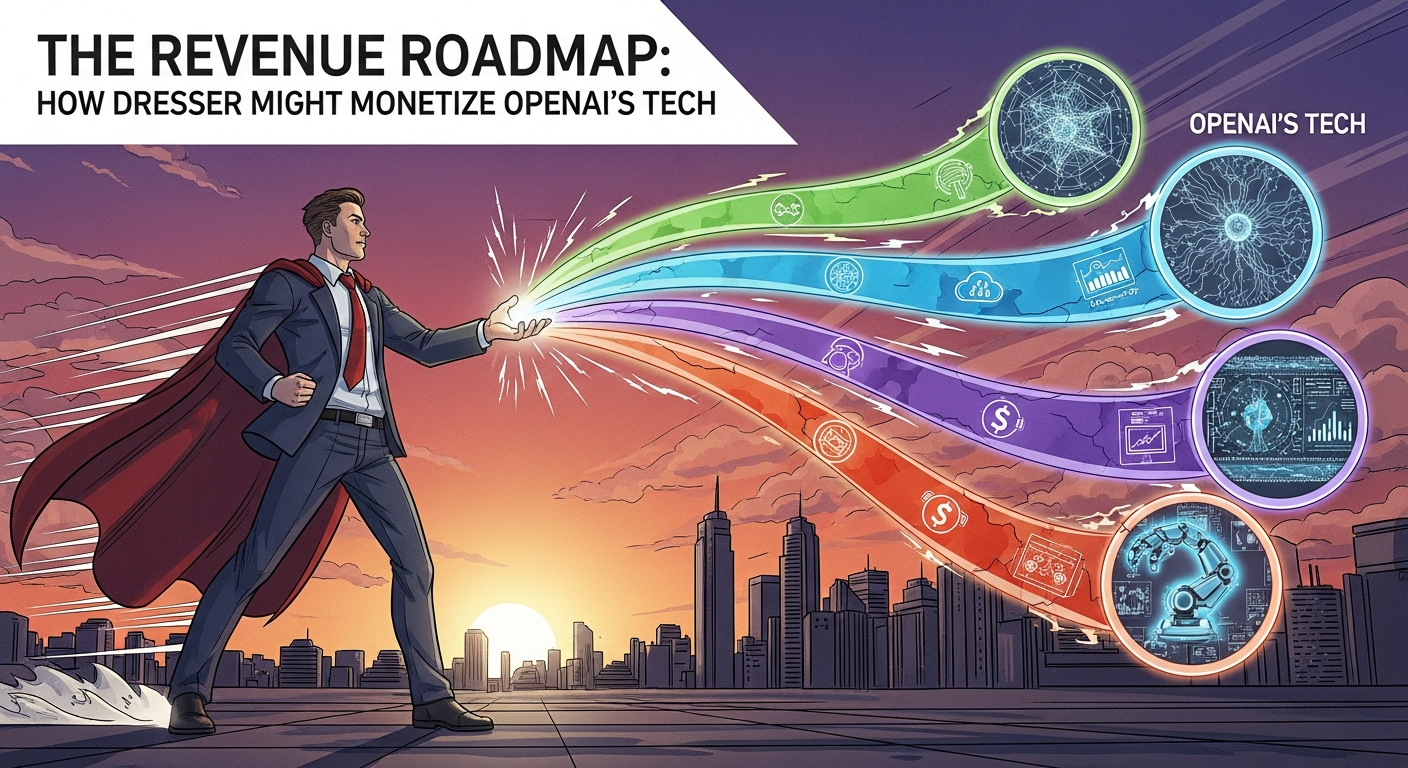
OpenAI has appointed Denise Dresser, former CEO of Slack, as its new Chief Revenue Officer, marking a significant executive addition to the AI powerhouse’s leadership team. The announcement, initially reported by Wired and subsequently confirmed through OpenAI’s official blog post, comes as the company intensifies its focus on enterprise revenue growth and customer success strategies.
Dresser brings over 14 years of experience from Salesforce, Slack’s parent company, where she demonstrated expertise in scaling business operations and implementing AI-driven features. This strategic hire occurs at a critical juncture for OpenAI as the company navigates the challenging path toward profitability in the competitive AI landscape.
Dresser’s Role and Strategic Importance
In her position as Chief Revenue Officer, Dresser will spearhead OpenAI’s revenue strategy with particular emphasis on enterprise solutions and customer success initiatives. This appointment reflects OpenAI’s recognition that enterprise adoption represents a crucial revenue stream as the company works to monetize its groundbreaking AI technologies.
During her tenure at Slack, Dresser oversaw the implementation of numerous AI-enhanced features that transformed workplace communication. This experience positions her uniquely to help OpenAI translate its advanced AI capabilities into practical business solutions that enterprises will pay for.
Fidji Simo, OpenAI’s CEO of Applications, highlighted the strategic value of this appointment: “We’re on a path to put AI tools into the hands of millions of workers, across every industry. Denise has led that kind of shift before, and her experience will help us make AI useful, reliable, and accessible for businesses everywhere.”
OpenAI’s Leadership Evolution
Dresser’s appointment continues a pattern of OpenAI recruiting seasoned executives with proven track records in scaling technology companies. Simo herself joined OpenAI earlier this year after serving as CEO of Instacart, which has developed into a key strategic partner for OpenAI.
These leadership additions signal OpenAI’s transition from a research-focused organization to a commercial enterprise determined to monetize its AI breakthroughs. The company has been rapidly expanding its executive team with professionals who have demonstrated success in transforming innovative technologies into profitable business models.
The Profitability Challenge
OpenAI faces significant financial hurdles despite its technological leadership. The company reportedly operates with substantial monthly expenses—estimated at over $700 million annually according to industry analysts—primarily due to the computational resources required to develop and run its sophisticated AI models.
Dresser’s appointment directly addresses this challenge. Her experience in enterprise sales and customer success will be instrumental as OpenAI attempts to convert its technological advantages into sustainable revenue streams. The company’s enterprise offerings, including custom GPT models and API access, represent critical components of its monetization strategy.
Market Context and Competitive Landscape
OpenAI’s executive reshuffling occurs against a backdrop of intensifying competition in the AI sector. Google, Anthropic, and numerous startups are aggressively developing rival AI models and competing for enterprise customers. This competitive pressure makes Dresser’s role particularly vital as OpenAI seeks to establish market dominance beyond its current technological lead.
The enterprise AI market is projected to reach $93 billion by 2028, according to recent industry forecasts. OpenAI’s ability to capture a significant portion of this market will largely determine its financial viability, making Dresser’s enterprise expertise especially valuable.
Leadership Transition at Slack
As Dresser departs Slack, the company has appointed Rob Seaman, previously Chief Product Officer, as interim CEO according to Wired’s reporting. This transition creates ripple effects within the broader enterprise software ecosystem, particularly as Slack continues to integrate AI capabilities into its collaboration platform.
The movement of executives between major technology companies reflects the growing importance of AI expertise in corporate leadership. Executives with experience implementing AI solutions at scale are increasingly in demand as companies across sectors embrace artificial intelligence technologies.
Future Implications
Dresser’s appointment suggests OpenAI is prioritizing practical business applications and revenue generation alongside its ongoing research initiatives. This balanced approach may help the company maintain its technological edge while building a sustainable business model.
For enterprise customers, this shift likely means more tailored AI solutions designed specifically for business challenges. OpenAI has already begun this transition with its enterprise offerings, but Dresser’s leadership may accelerate the development of industry-specific AI applications and implementation frameworks.
The appointment also signals OpenAI’s recognition that technological superiority alone won’t guarantee market success. The company appears to be building a leadership team capable of addressing the full spectrum of challenges involved in scaling an AI business, from technology development to enterprise sales and customer success.