
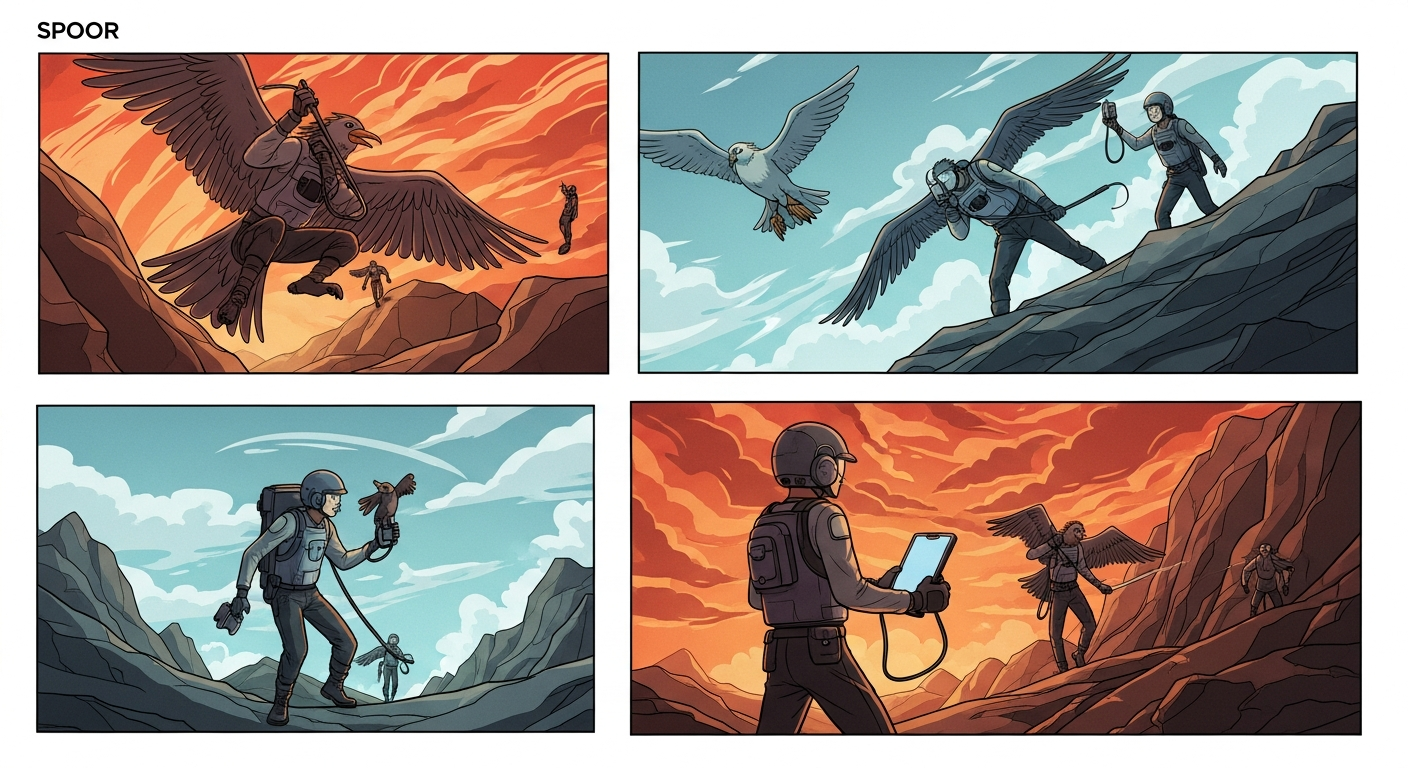
In an era where renewable energy and wildlife conservation must coexist, Norwegian startup Spoor has developed groundbreaking computer vision technology that’s transforming how wind farms protect local bird populations. Founded in 2021, this innovative company has rapidly evolved from concept to proven solution, now partnering with major energy companies across three continents.
How Spoor’s Bird Tracking Technology Works
Spoor has engineered sophisticated software that harnesses computer vision to identify and monitor bird movements with remarkable precision. The system works with standard high-resolution cameras to detect avian activity within a 2.5-kilometer radius—a significant improvement from the 1-kilometer range it offered during its initial development phase. This technological advancement represents a critical leap forward compared to traditional monitoring methods.
The software’s AI model has achieved approximately 96% accuracy in bird identification, thanks to continuous data collection and refinement. This high level of precision allows wind farm operators to make informed decisions about turbine operations during migration periods, potentially slowing or stopping turbines when large numbers of birds are detected nearby.
From Manual Monitoring to AI-Powered Conservation
Prior to Spoor’s innovation, the wind energy industry relied on rudimentary monitoring techniques. As CEO Aske Helseth discovered, many operations depended on field workers with binoculars and trained dogs to track bird collisions with turbines. This manual approach proved inadequate as regulatory expectations increased worldwide.
Spoor’s solution addresses this gap by providing continuous, accurate monitoring that helps energy companies comply with increasingly stringent environmental regulations. The technology enables wind farms to better plan their locations and operational schedules around bird migration patterns, significantly reducing potential harm to avian wildlife.
Expanding Applications Beyond Wind Energy
While Spoor initially focused on wind farms, its technology has attracted interest from diverse industries facing similar wildlife monitoring challenges. Airports seeking to prevent bird strikes, aquaculture farms monitoring local ecosystems, and mining operations tracking bat populations have all expressed interest in the platform.
A notable partnership with mining giant Rio Tinto demonstrates the versatility of Spoor’s technology, as the company has adapted its systems to track bats. This expansion into different species tracking showcases the adaptability of their computer vision approach, which relies on an in-house ornithologist to help train AI models on new species.
Real-World Impact and Regulatory Compliance
The stakes for proper bird monitoring have never been higher for the renewable energy sector. In April 2024, French regulators shut down an entire wind farm due to its negative impact on local bird populations, imposing hundreds of millions in fines. Such regulatory actions underscore the critical importance of effective wildlife monitoring solutions.
Spoor’s technology provides a proactive approach to compliance, allowing energy companies to demonstrate their commitment to environmental protection while maintaining operational efficiency. By enabling data-driven decisions about when to modify turbine operations, the system creates a sustainable balance between clean energy production and wildlife conservation.
Funding and Future Growth
Recognizing the value of Spoor’s innovation, investors have provided substantial backing to accelerate the company’s growth. The startup recently secured an €8 million (approximately $9.3 million) Series A funding round led by SET Ventures, with participation from Ørstead Ventures, Superorganism, and strategic investors.
This financial support will enable Spoor to further enhance its technology while expanding its global presence. The company currently works with more than 20 leading energy companies across three continents, positioning it for continued growth as regulatory requirements become more stringent worldwide.
The Vision: Industry and Nature Coexistence
Helseth articulates Spoor’s mission as enabling industry and nature to coexist harmoniously. While the company has made significant progress toward this goal, he acknowledges that as a relatively small startup, they still have much to prove. Their immediate objectives include cementing their position in the wind energy sector while demonstrating the technology’s value in additional applications.
The potential for object tracking extends beyond birds—with some expressing interest in using similar technology to monitor drones. However, Spoor remains focused on its core wildlife conservation mission for now, recognizing the substantial opportunity within its current market.
As renewable energy continues its global expansion, solutions like Spoor’s will become increasingly vital to ensuring this growth doesn’t come at the expense of biodiversity. By providing the tools to monitor and protect bird populations, Spoor is helping to create a more sustainable path forward for clean energy development.