
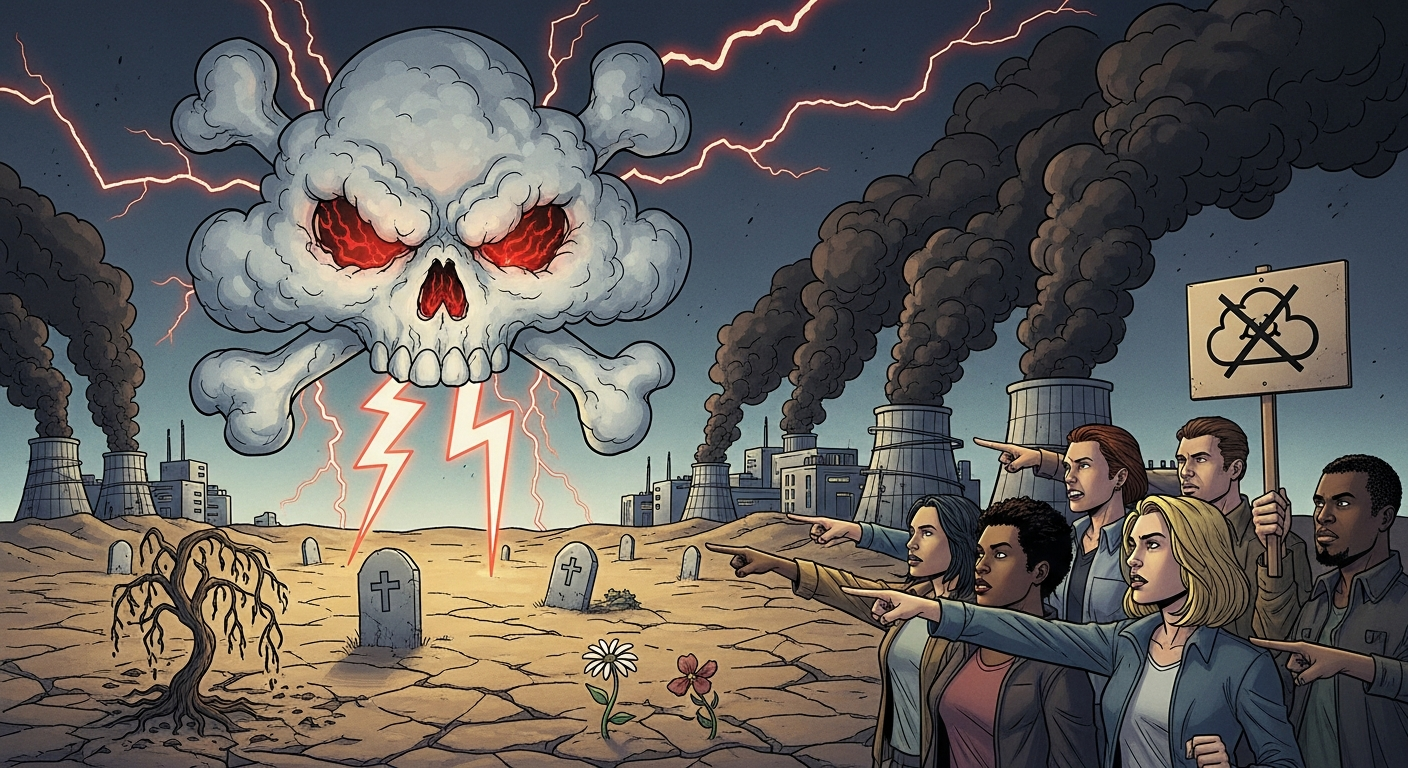
Over 230 environmental organizations have united to call for an immediate halt on new data center construction across the United States as concerns mount about their massive energy footprint. This coalition, which includes prominent groups like Greenpeace, Food and Water Watch, and Friends of the Earth, has formally petitioned Congress to implement a national moratorium, citing alarming trends in electricity consumption and community disruption.
Rising Energy Demands Spark Community Backlash
The explosive growth of artificial intelligence and cryptocurrency mining has dramatically accelerated data center expansion, creating what environmentalists describe as a ‘largely unregulated’ industry that threatens ‘economic, environmental, climate and water security’ for communities nationwide. Recent studies have established clear connections between new data center developments and subsequent energy price increases in surrounding areas.
Consumer anxiety is mounting alongside electricity bills. A survey commissioned by Sunrun revealed that approximately 80% of Americans worry about data centers driving up their utility costs. This concern appears well-founded, as electricity prices have already surged 13% in 2024—the largest annual increase observed in the past ten years.
The impact is expected to concentrate in specific regions, with Virginia, Pennsylvania, Ohio, Illinois, and New Jersey projected to experience the most significant expansion in data center capacity. Rural communities, often with limited infrastructure and resources to challenge large tech developments, will bear a disproportionate burden of this growth.
Projected Energy Consumption Reaching Critical Levels
Energy analysts predict data center power requirements will nearly triple within the coming decade, jumping from the current 40 gigawatts to an estimated 106 gigawatts by 2035. This trajectory has raised serious questions about grid capacity and energy affordability for average consumers.
Environmental advocates emphasize that these energy concerns compound broader societal impacts of artificial intelligence, including potential job displacement, increasing social instability, and the concentration of economic power among tech giants. The letter to Congress highlights these interconnected challenges as part of a systemic problem requiring immediate regulatory attention.
Communities Mobilizing Against Data Center Projects
Public opposition to data center development has intensified in recent weeks, with protests erupting in multiple states. In Detroit, demonstrators gathered outside DTE utility headquarters to protest a proposed 1.4 gigawatt data center project intended to serve OpenAI and Oracle. The protesters voiced concerns about potential increases in electricity bills, excessive freshwater consumption, and traffic congestion associated with the development.
The situation grew even more contentious in Wisconsin, where three individuals were arrested during a common council meeting discussing a 902-megawatt data center. This facility, part of OpenAI and Oracle’s ambitious Stargate project, has become a flashpoint for community resistance against large-scale tech infrastructure.
The Water Consumption Crisis
Beyond electricity concerns, water usage has emerged as a critical issue in the data center debate. Modern data centers require enormous quantities of water for cooling systems—often millions of gallons daily for large facilities. This consumption becomes particularly problematic in regions already experiencing water scarcity or drought conditions.
Communities are increasingly questioning whether their natural resources should be allocated to support data-intensive technologies like generative AI and cryptocurrency mining when residential water needs and agricultural requirements may be compromised as a result.
Balancing Innovation with Community Interests
The controversy surrounding data centers highlights the growing tension between technological advancement and community wellbeing. While tech companies emphasize job creation and economic development, residents and environmental advocates point to tangible costs that often fall disproportionately on local communities while benefits accrue to distant shareholders.
Some regions have begun implementing stricter regulations on data center development, requiring more comprehensive environmental impact assessments and community benefit agreements. However, environmental groups argue these piecemeal approaches are insufficient given the scale and pace of industry growth, hence their call for a national moratorium.
As this debate intensifies, policymakers face difficult questions about how to balance innovation with environmental sustainability and community interests—questions that will shape both the digital landscape and physical infrastructure of communities across America for decades to come.