
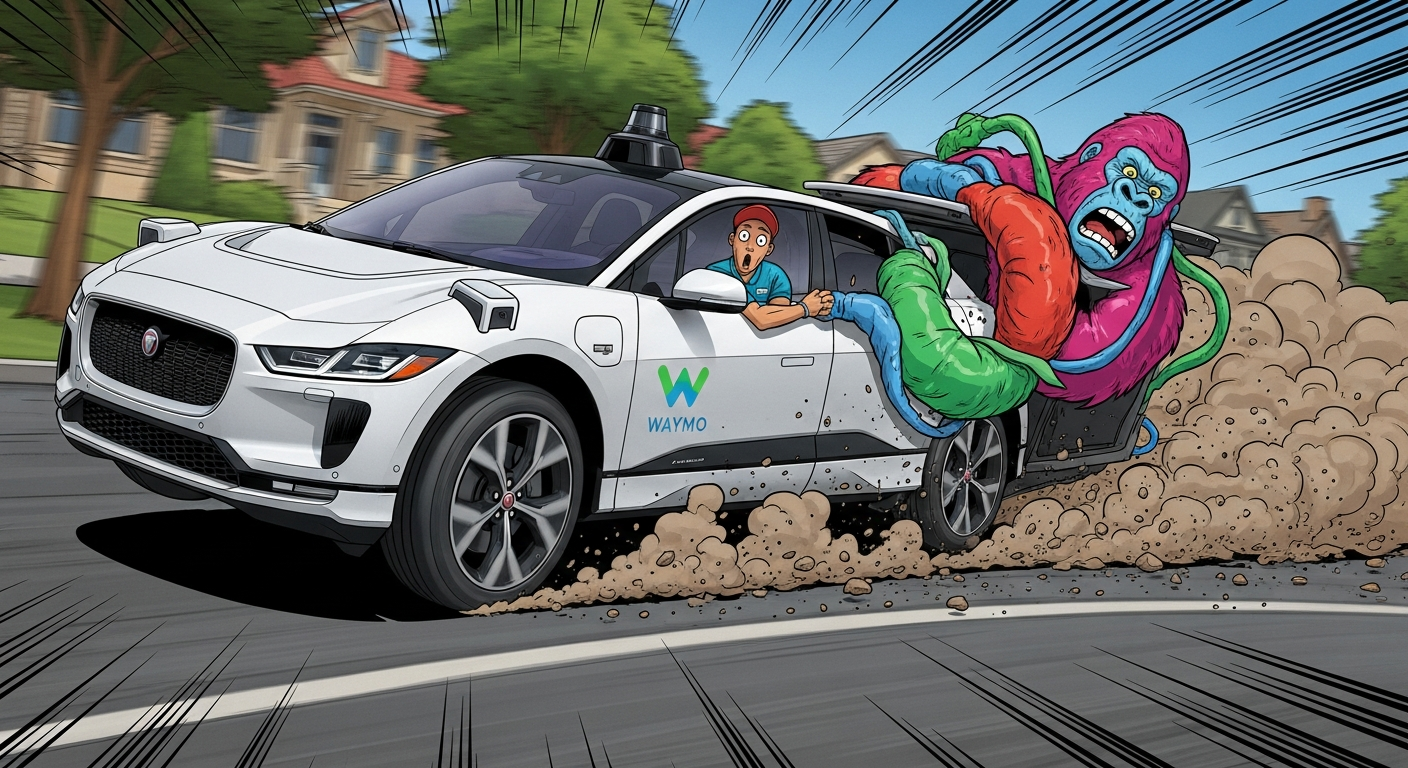
In a remarkable convergence of cutting-edge technology and timeless human experience, a pregnant woman delivered her baby inside a driverless Waymo vehicle while en route to UCSF Medical Center in San Francisco on Monday evening. This unexpected event adds a distinctly human chapter to the autonomous vehicle narrative—though perhaps not as surprising as it might initially seem.
The incident, reported by The SF Standard, occurred when Waymo’s remote monitoring team detected what they diplomatically termed “unusual activity” within the vehicle. They promptly contacted emergency services, though the autonomous taxi successfully completed its hospital journey before first responders arrived—proving that some aspects of childbirth remain impervious to even the most sophisticated technological scheduling.
A Modern Twist on a Timeless Transportation Tale
This San Francisco birth represents a technological evolution of what has long been a recurring scenario in urban transportation. For generations, expectant parents have found themselves racing against nature’s timeline in various hired vehicles, from traditional yellow cabs to modern rideshare services.
The Waymo birth joins a rich anthology of similar stories that span the globe. In India, one mother was so grateful for her Uber driver’s assistance during an unexpected delivery that she named her newborn son after the rideshare service. Similarly, a California couple in 2017 welcomed their child during Shabbat while traveling in an Uber, though they ultimately declined suggestions to name their child after the service that transported them.
What distinguishes the San Francisco case is the absence of a human driver—the autonomous vehicle continued its programmed journey while a very human drama unfolded in its passenger compartment.
Not the First Autonomous Birth Experience
Perhaps most surprising about this incident is that it wasn’t even Waymo’s first mobile delivery room experience. According to company representatives speaking to The SF Standard, a similar birth had previously occurred in one of their vehicles in Phoenix, Arizona. This suggests that as autonomous vehicles become more commonplace, such occurrences—while still rare—may become an established subcategory of birth stories.
Following the San Francisco delivery, Waymo promptly removed the vehicle from service for thorough cleaning—a practical response to the messy reality of childbirth that contrasts with the sterile precision of autonomous driving technology.
The Human Element in Autonomous Technology
A Waymo spokesperson acknowledged the unusual nature of the event with understated humor, noting that “While this is a very rare occurrence, some of our newest riders just can’t wait to experience their first Waymo ride.” This wry comment highlights the fascinating intersection of programmed precision and unpredictable human biology.
The incident raises interesting questions about how autonomous systems handle unpredictable human emergencies. While the vehicle successfully completed its journey to the hospital, the situation underscores both the capabilities and limitations of current autonomous technology. The remote team’s detection of “unusual activity” suggests sophisticated monitoring systems, yet the need to call external emergency services indicates boundaries in how these systems respond to medical emergencies.
Historical Context of Transportation Births
The phenomenon of babies being born in transit has a long history that predates modern transportation. From horse-drawn carriages to steam trains, humans have been arriving in unexpected locations throughout history. The taxicab birth became something of an urban legend—and occasional reality—throughout the 20th century, with New York City taxi drivers sometimes receiving special recognition for assisting in deliveries.
With the rise of rideshare services in the early 21st century, companies like Uber and Lyft added their own chapters to this tradition. Several drivers have reported helping with deliveries or making emergency high-speed drives to hospitals, sometimes becoming temporary celebrities in news stories about their experiences.
What makes the Waymo case distinctive is the complete removal of the human driver from the equation. There was no experienced cabbie offering reassurance or taking heroic driving measures—just an algorithm executing its programming while a new human life began in the backseat.
Looking Forward: Implications for Autonomous Services
As autonomous vehicle services expand, companies may need to develop more sophisticated protocols for handling medical emergencies. Future iterations might include enhanced monitoring systems, direct communication with medical professionals, or even basic medical guidance delivered through in-vehicle systems.
The incident also raises questions about liability and responsibility in such situations. While traditional taxi drivers might make judgment calls about routes or driving styles during an emergency, autonomous systems currently follow predetermined parameters. This distinction could prompt regulatory discussions about emergency protocols for driverless services.
For now, this San Francisco birth stands as a memorable milestone in the autonomous vehicle journey—a reminder that even as technology transforms transportation, human life continues to unfold according to its own unpredictable timetable.