
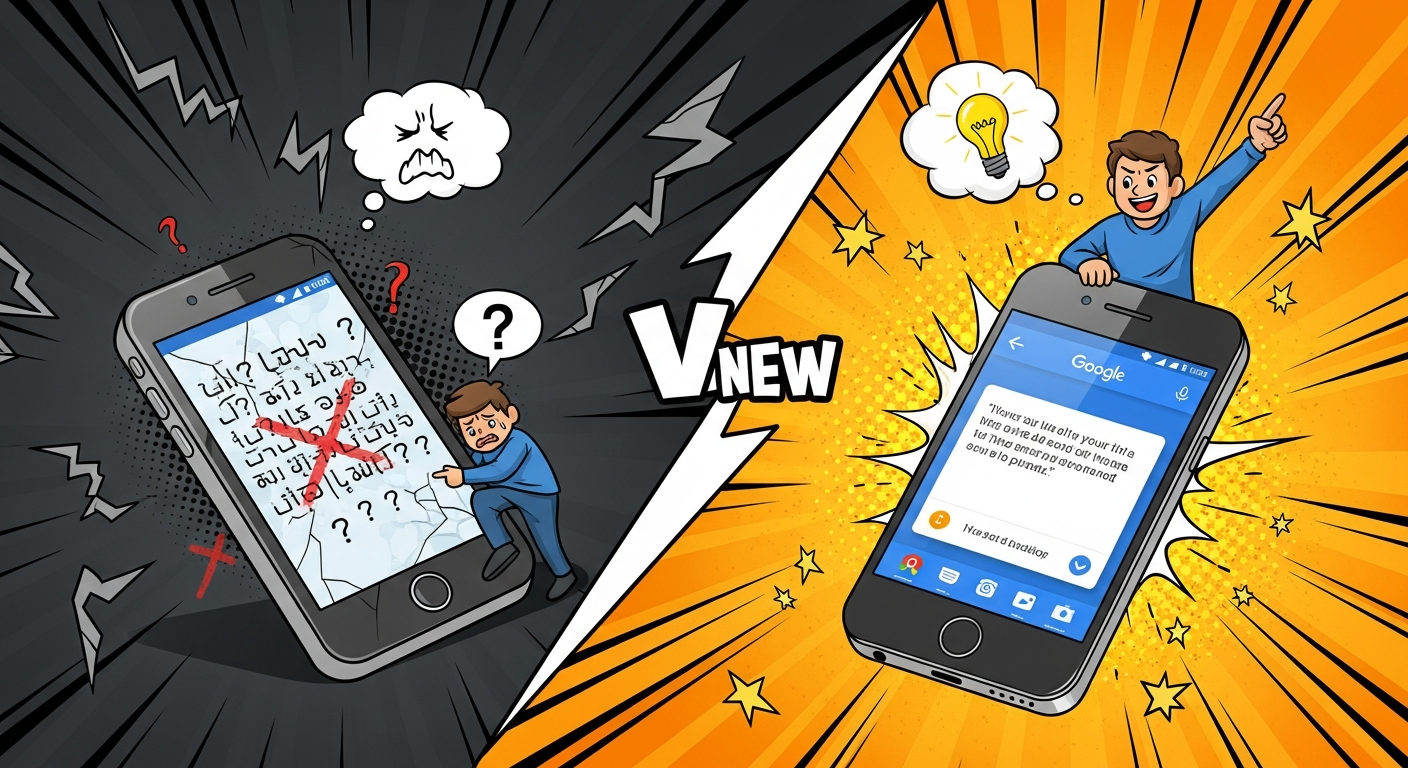
Google has unveiled a groundbreaking beta feature that transforms ordinary headphones into powerful translation devices, marking a significant advancement in breaking down language barriers. This innovation allows users to hear translations in real-time while preserving the speaker’s original vocal characteristics—including tone, emphasis, and speech patterns—making conversations across languages more natural and comprehensible.
The technology giant is simultaneously enhancing its translation capabilities with advanced Gemini AI integration and expanding its language learning tools, positioning Google Translate as an increasingly formidable alternative to dedicated language learning applications.
Real-Time Headphone Translation: A Communication Revolution
The new headphone translation feature represents a remarkable technological achievement that works with any standard headphones. Users simply open the Translate app, select ‘Live translate,’ and immediately receive audio translations in their preferred language while maintaining the natural flow of conversation.
Rose Yao, Google’s VP of Product Management for Search Verticals, highlighted the versatility of this feature: “Whether you’re trying to have a conversation in a different language, listen to a speech or lecture while abroad, or watch a TV show or film in another language, you can now put in your headphones, open the Translate app, tap ‘Live translate’ and hear a real-time translation in your preferred language.”
The beta version is currently being deployed in the United States, Mexico, and India, exclusively on Android devices. Supporting an impressive array of over 70 languages, the feature demonstrates Google’s commitment to comprehensive language coverage. iOS users and those in other countries will need to exercise patience, as the global expansion is scheduled for 2026.
Gemini AI Powers More Nuanced Translations
Google is leveraging its advanced Gemini AI technology to significantly improve the quality and contextual accuracy of text translations. This integration specifically targets one of the most challenging aspects of language translation: accurately conveying idioms, slang, and culturally-specific expressions.
For instance, when translating the English idiom “stealing my thunder,” traditional translation methods would often produce a literal, word-for-word translation that loses the intended meaning. With Gemini’s contextual understanding capabilities, the system now provides translations that capture the true essence of such expressions, making cross-cultural communication more authentic and effective.
This sophisticated translation enhancement is currently available in the United States and India, supporting translations between English and approximately 20 languages, including Spanish, Arabic, Chinese, Japanese, and German. Users can access these improved translations across the entire Google Translate ecosystem—on Android and iOS mobile applications as well as the web interface.
Expanded Language Learning Tools Challenge Dedicated Apps
Google is aggressively expanding its language learning offerings to nearly 20 additional countries, including Germany, India, Sweden, and Taiwan. This expansion introduces new language pairs for practice, such as English speakers learning German, and speakers of Bengali, Mandarin Chinese (Simplified), Dutch, German, Hindi, Italian, Romanian, and Swedish practicing English.
The enhanced learning tools now provide more detailed feedback on speaking practice, offering specific suggestions for improvement rather than simple correctness indicators. In a move clearly inspired by successful language learning applications like Duolingo, Google has also implemented a streak-tracking feature that monitors consecutive days of learning, helping users visualize their progress and maintain consistent practice habits.
These enhancements represent a strategic move by Google to position its Translate app as not just a translation tool but a comprehensive language learning platform. By incorporating gamification elements like streaks alongside practical translation capabilities, Google is creating a more engaging and effective learning environment.
Real-World Applications and Potential Impact
The combination of these features creates powerful new possibilities for various user scenarios. Business travelers can now participate more naturally in international meetings by hearing translations through discreet headphones while preserving speakers’ vocal nuances. Students studying abroad can better understand lectures delivered in unfamiliar languages, and tourists can more easily navigate conversations with locals.
For language learners, the integration of practical translation tools with structured learning features provides a more holistic approach to language acquisition. Users can practice in controlled environments and then immediately apply their skills in real-world situations with the safety net of advanced translation capabilities.
The preservation of speakers’ vocal characteristics during translation represents a particularly significant advancement. By maintaining tone and emphasis patterns, Google’s system helps users better understand not just what is being said, but how it’s being expressed—capturing emotional nuances that are often lost in text-based translations.
The Future of Translation Technology
Google’s latest innovations signal an accelerating trend toward more seamless, natural language translation integrated into everyday devices. The ability to transform standard headphones into sophisticated translation devices democratizes access to this technology, making it available to anyone with a smartphone and basic headphones.
As these capabilities continue to evolve with the scheduled expansions in 2026, we can anticipate even more sophisticated features that further reduce language barriers in global communication. The integration of Gemini AI suggests that future iterations will likely demonstrate even greater contextual understanding and cultural sensitivity in translations.
These developments represent significant progress toward Google’s apparent goal of creating a comprehensive ecosystem that serves both casual translation needs and dedicated language learning, potentially reshaping how we approach multilingual communication in an increasingly connected world.